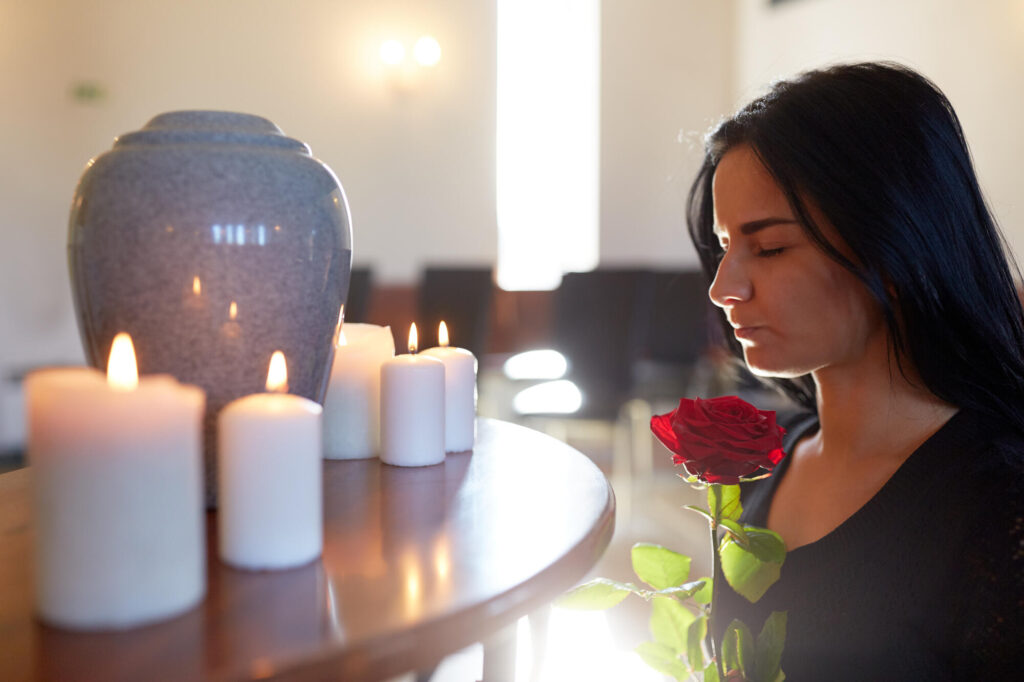
The best urns for cremated remains come in various materials, including wood, metal, ceramic, and biodegradable options, with prices varying greatly depending on design and customization. Choosing the right urn depends on your budget, personal preferences, and whether you plan for burial, display, or scattering ceremonies.
Losing a loved one is never easy, and the decisions that follow can feel overwhelming. According to recent data from the National Funeral Directors Association, cremation (61.9%) surpasses traditional burial (33.2%) as the preferred method of final disposition. This figure is expected to jump to 82.1% by 2045, indicating a significant and ongoing shift in funeral preferences across the U.S.
The Dallas-Fort Worth Metro Area has seen this trend grow as families seek meaningful ways to honor their loved ones while making practical decisions during difficult times. Whether you’re looking for something elegant for display, practical for burial, or eco-friendly for scattering, understanding your options helps you make an informed decision.
Here’s the lowdown on choosing the perfect urns for cremated remains.
What Is the Best Type of Urn for Ashes?
The best type of urns for cremated remains depends on your specific needs and preferences. Different materials and styles serve different purposes, as further explained below:
Wood Urns
Memorial urns made from wood offer warmth and natural beauty. Popular woods include oak, cherry, and mahogany, often featuring elegant engravings or photo displays. These urns work well for home display and create a comforting presence in your living space.
Metal Urns
Metal urns provide durability and a sophisticated appearance. Brass, bronze, and stainless steel options resist tarnishing and offer long-lasting protection. Many families choose metal urns for their strength and classic appearance, especially when planning permanent placement.
Ceramic and Stone Urns
Ceramic and marble urns showcase artistic craftsmanship. These materials allow for intricate designs, colors, and patterns that can reflect your loved one’s personality or interests. Hand-painted ceramics and carved marble create truly unique urns that serve as beautiful tributes.
Biodegradable Urns
Biodegradable urns have gained popularity among environmentally conscious families. They’re perfect for:
- Green burial ceremonies
- Water scattering services
- Tree planting memorials
- Natural return to earth
Made from materials like bamboo, corn starch, or recycled paper, these urns naturally decompose when buried or placed in water.
Custom Urns
Custom urns offer the ultimate personalization. Many artisans create bespoke pieces incorporating photos, engravings, or special symbols. These might include hobby-themed designs, religious symbols, or replicas of meaningful objects from your loved one’s life.
What Is the Average Cost of an Urn for Ashes?
Cremation urns vary significantly in price depending on several important factors. Understanding these cost influences helps you budget appropriately while finding quality options that meet your family’s needs and preferences.
Rather than focusing solely on price, consider the value each element brings to honoring your loved one’s memory.
Material Quality and Craftsmanship
The materials used in urn construction significantly impact pricing. Premium hardwoods like walnut or cherry cost more than basic pine or engineered wood.
Similarly, solid bronze commands higher prices than brass-plated alternatives. Hand-carved details, artistic metalwork, and precision joinery require skilled craftsmanship that adds value. Biodegradable urns made from sustainable materials often fall in the middle range, balancing environmental responsibility with affordability.
Size Requirements and Customization Options
Urn size directly affects cost, with larger capacity urns costing more because they require more materials and labor. Standard adult urns accommodate most needs, while oversized options serve larger individuals. Keepsake urns for sharing among family members typically cost less due to their smaller size.
Custom urns with personalized engravings, photo incorporation, or special design elements command premium pricing due to individual attention and unique manufacturing processes.
Additional Features and Services
Special features influence final pricing significantly. Religious symbols, artistic embellishments, protective coatings, and premium hardware add value. Some memorial urns include companion pieces like matching keepsakes or display stands.
Expedited delivery, professional engraving services, and specialized packaging for shipping also affect total costs. Unique urns with artistic collaborations or limited-edition designs typically carry premium pricing.
Frequently Asked Questions
How long does it take to get ashes back after cremation in Texas?
In Texas, families typically receive cremated remains within 3 to 7 business days after the cremation process. The timing depends on several factors, including the crematory’s schedule, paperwork processing, and whether you’ve selected your urn.
Having your urn ready can expedite the process, as many facilities prefer to place remains directly into the final container rather than temporary storage.
How much does cremation cost without services in Texas?
Direct cremation in Texas, which includes only the cremation process without additional services, typically ranges from $800 to $1,500. This basic option covers body preparation, cremation, and return of remains in a temporary container.
Additional costs may include death certificates, permits, and transportation fees. Many families choose this affordable option and plan separate memorial services at locations meaningful to their loved one.
What body parts don’t burn during cremation?
During cremation, most organic material is consumed by the high temperatures (1,400-1,800°F). However, some materials remain, including metal implants, dental work, prosthetics, and bone fragments.
These items are carefully removed from the ashes through magnetic separation and screening processes. The remaining bone fragments are then processed into the fine ash consistency that families receive, ensuring a respectful and complete process.
How much does a cremation cost?
Full-service cremation in the Dallas-Fort Worth area typically costs between $2,000 and $4,000. This includes professional services, transportation, cremation, a basic urn, and often a small memorial service. Prices vary based on service level, location, and additional options like viewing, upgraded urns, or special ceremonies.
Find the Perfect Urns for Cremated Remains in the Dallas-Fort Worth Area
Choosing urns for cremated remains requires balancing emotional needs with practical considerations. The right urn honors your loved one’s memory while providing comfort to your family during the grieving process.
At Lone Star Cremation, we understand that selecting cremation urns is a deeply personal decision that shouldn’t be rushed. Our experienced team provides compassionate guidance to help you explore options that fit your family’s needs, preferences, and budget.
Schedule an appointment and let us help you create a meaningful tribute that honors their memory.