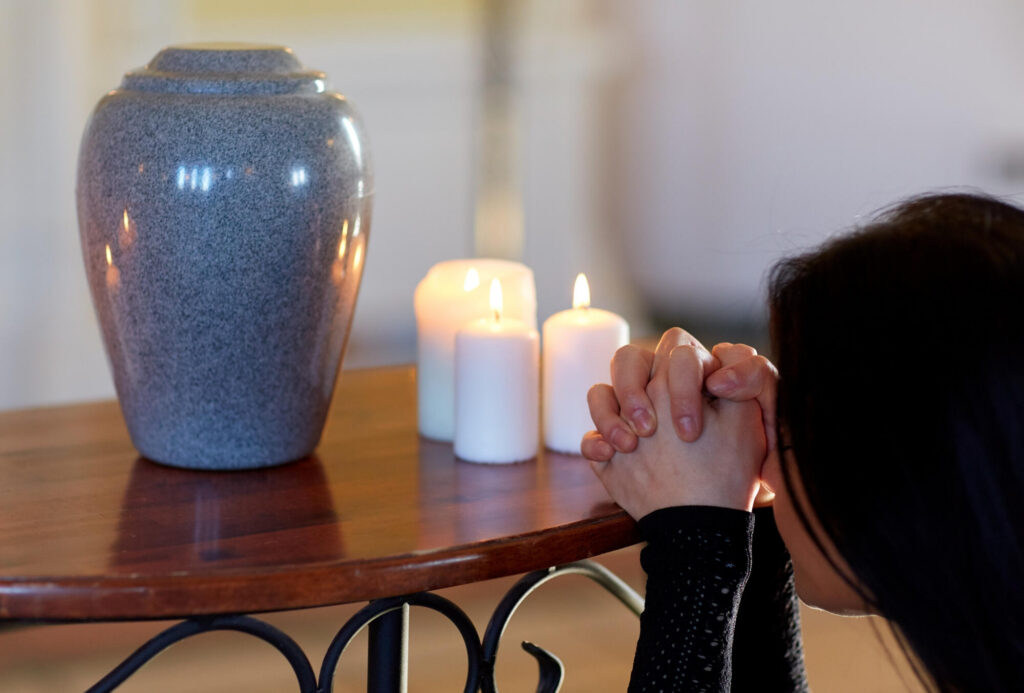
Planning a cremation can be simple and meaningful when the right steps are followed. It helps families honor their loved one’s life in a respectful and affordable way. Cremation has become a common choice for many families across Texas and beyond because of its flexibility and lower costs compared to a traditional burial.
According to NPR, cremation services are twice as popular as they were only a couple of decades ago.
Funeral planning is a personal process that involves many decisions. Understanding each option can make it easier to create a service that reflects the wishes of the person being remembered. Knowing the steps and costs involved helps reduce stress during a difficult time, so read on to explore the cremation process.
What Should You Know Before Planning a Cremation?
Before making arrangements, it’s helpful to understand how cremation works and what is required. Families first choose a provider, such as Fort Worth cremation or Dallas cremation, that fits their needs and budget. Many providers handle the entire process, including:
- Transportation
- Legal paperwork
- Returning the ashes
A cremation cost breakdown usually includes the service fee, permits, cremation container, and the urn or vessel for the ashes. Families can also choose optional services, such as a viewing or a celebration of life.
It’s important to decide whether to have a ceremony before or after the cremation. Some families prefer a full memorial before the process, while others plan an event later. When arranging a memorial, families may hold a gathering at a funeral home, park, church, or even at home.
Choosing cremation gives flexibility in honoring a loved one’s memory. You can do the following things with the ashes:
- Keep them in an urn
- Scatter them in a meaningful location
- Place them in a columbarium
Many find comfort in customizing the farewell in a way that reflects the person’s life and values.
How Does Cremation Compare to a Burial?
When comparing cremation vs burial, both have meaningful traditions and emotional value. The difference lies mainly in cost, environmental impact, and personal preference. Cremation is often less expensive and requires fewer resources, while burial involves purchasing a casket, a burial plot, and a headstone.
Many people choose cremation for its simplicity and lower financial burden. The cremation cost breakdown helps families see how affordable the option can be compared to traditional methods. Some prefer cremation for environmental reasons, as it uses less land and materials.
Burial, however, offers a permanent place for loved ones to visit and reflect. It can provide a sense of closure through the gravesite. Some families value the tradition of burial and find comfort in the familiarity of the ritual.
When deciding between cremation and burial, it comes down to personal beliefs, cultural values, and budget. Open conversations with family members can help make the best choice for everyone involved.
How Do You Arrange a Memorial After Cremation?
A memorial service is a beautiful way to honor a loved one after cremation. Arranging a memorial can be as formal or as simple as the family wishes. Some families hold a service in a funeral home or church, while others gather outdoors in a peaceful spot.
A personalized memorial can include:
- Music
- Photos
- Readings
- Stories about the person’s life
Some families display the urn and create a memory table filled with pictures and keepsakes. Others prefer a private event where family members share moments and reflect together.
When working with Fort Worth cremation services or Dallas cremation services, families can often choose packages that include help planning the memorial. The staff can assist with event coordination, printing materials, and preparing the ashes for display.
For those who wish to scatter ashes, it’s important to check local regulations. Many cities and parks allow scattering but may require a permit. Families may also choose to place ashes in a decorative urn at home or in a memorial garden.
Incorporating grief support resources after the memorial is also valuable. Grief affects everyone differently, and professional support or community groups can help loved ones navigate emotional healing.
Frequently Asked Questions
What Documents Are Needed for Cremation?
Families usually need the death certificate, authorization for cremation, and identification of the deceased. Funeral providers like Dallas Cremation or Fort Worth Cremation can help gather and file these documents.
How Long Does the Cremation Process Take?
The process typically takes two to three hours, depending on the individual provider and local regulations. Families usually receive the ashes within a few days.
Can There Still Be a Viewing Before Cremation?
Yes, many providers offer the option for a viewing or visitation before cremation. Families can choose a simple service with a rental casket or a private farewell gathering.
What Are the Average Costs of Cremation?
Costs vary based on location and services chosen. A cremation cost breakdown often shows basic packages starting around a few thousand dollars, while full memorials or add-ons may increase the total.
Where Can Ashes Be Scattered or Stored?
Ashes can be scattered in meaningful outdoor locations, kept in an urn at home, or placed in a columbarium or memorial garden. Always check local rules before scattering ashes in public areas.
How Can Families Find Grief Support After Cremation?
Many funeral homes provide grief support resources, such as counseling, online groups, or local meetings. Families can also connect with community organizations or religious groups for ongoing emotional care.
Can Cremation Be Preplanned?
Yes, preplanning is a growing trend in funeral planning. It allows individuals to choose their preferences, lock in costs, and ease future decision-making for loved ones.
Is Cremation Accepted by All Religions?
While most faiths now accept cremation, some still prefer traditional burial. It’s best to consult with a spiritual leader before making the final decision.
Do You Need Help Planning a Cremation?
Planning a cremation can bring peace of mind when handled with care and understanding. Families gain flexibility to honor their loved one in a personal and meaningful way. Being informed about costs, options, and support makes the process smoother.
Funeral planning is about celebrating life and finding comfort in remembrance. Contact Lone Star Cremation so we can discuss your options and ensure every arrangement is perfect. We’ve been taking care of families in the Dallas and Fort Worth areas since 2004, so you can trust us.